
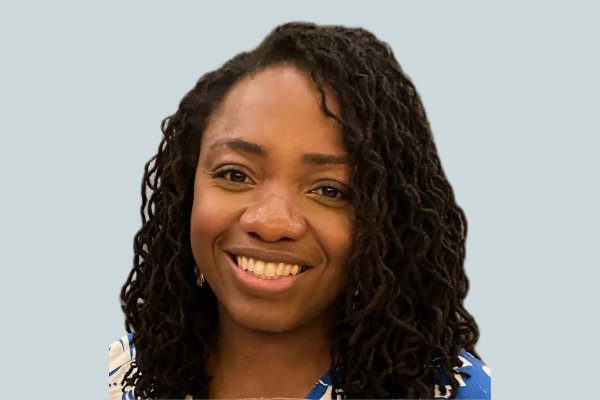
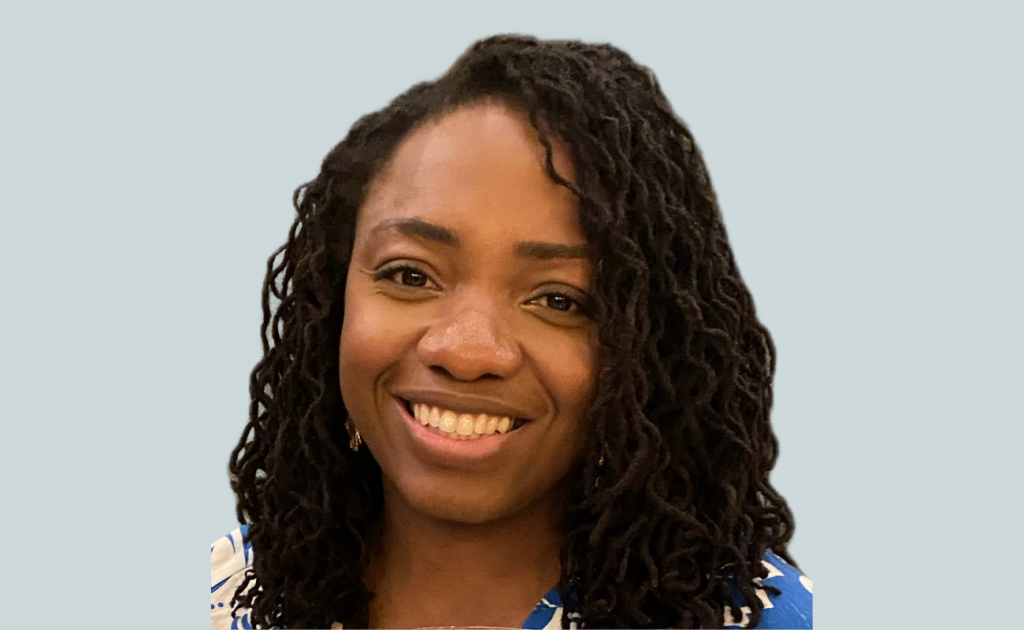
Dr Fikki Orekoya

Dr Fikki Orekoya is a highly experienced Dermatology Consultant with a strong background in both adult and paediatric dermatology, dermatological surgery, and medical education. She completed her specialist dermatology training at Salford Royal NHS Foundation Trust, where she gained extensive experience in managing complex dermatological conditions. During this time, she was actively involved in research, teaching, audits, and service improvement initiatives.

Throughout her career across multiple NHS trusts, Dr Orekoya has supervised junior doctors, contributed to educational programmes, and supported the development of clinical processes and standard operating procedures linked to dermatology pathways. Her academic achievements include a First-Class BSc in Pathology and an MBChB in Medicine. She also has a well-established portfolio in dermatology education, including developing learning resources, delivering regional teaching, and contributing to audit and research projects. She has a particular interest in initiatives that support patients with different skin types.

In her new role, Dr Orekoya will bring this breadth of experience to support the clinical direction and ongoing development of our dermatology service. Over the coming weeks, she will be meeting teams across the service to gain an understanding of our current pathways, priorities, and ways of working as she settles into the role.

Clinical Effectiveness

Clinical effectiveness means ensuring that all aspects of service delivery are designed to provide the best outcomes for patients. This is achieved by ensuring that the right care is delivered to the right person at the right time they are in need and in the correct setting.

Information

A patient’s information should always be up to date and correct on any systems used. It should also be confidential through correct storage and management of data.

Risk Management

Risk Management involves having robust systems in place to understand, monitor and minimise the risks to patients and staff and to learn from mistakes. When things go wrong in the delivery of care, our staff teams should feel safe admitting it and be able to learn and share what they have learnt, which embeds change in practice.

Patient & Public Involvement

Communication with patients and the public is essential to gain insight on the quality of care we deliver, and any possible problems that can result. Public involvement is equally as important to ensure that patient and public feedback is used to improve services into day-to-day practice for better patient outcomes.

Education & Training

This encompasses the provision of appropriate support to enable staff to be competent in doing their jobs and to develop their skills so that they are up to date. Professional development needs to continue through lifelong learning.

Staff Management

This ensures the organisation recruits highly skilled staff and aligns them with the correct job roles. Staff are supported in professional development and to gain and improve their skills.

Audit

The aim of the audit process is to ensure that clinical practice is continuously monitored and that deficiencies in relation to set standards of care are remedied. Research goes alongside audits to pioneer best practice improvements.